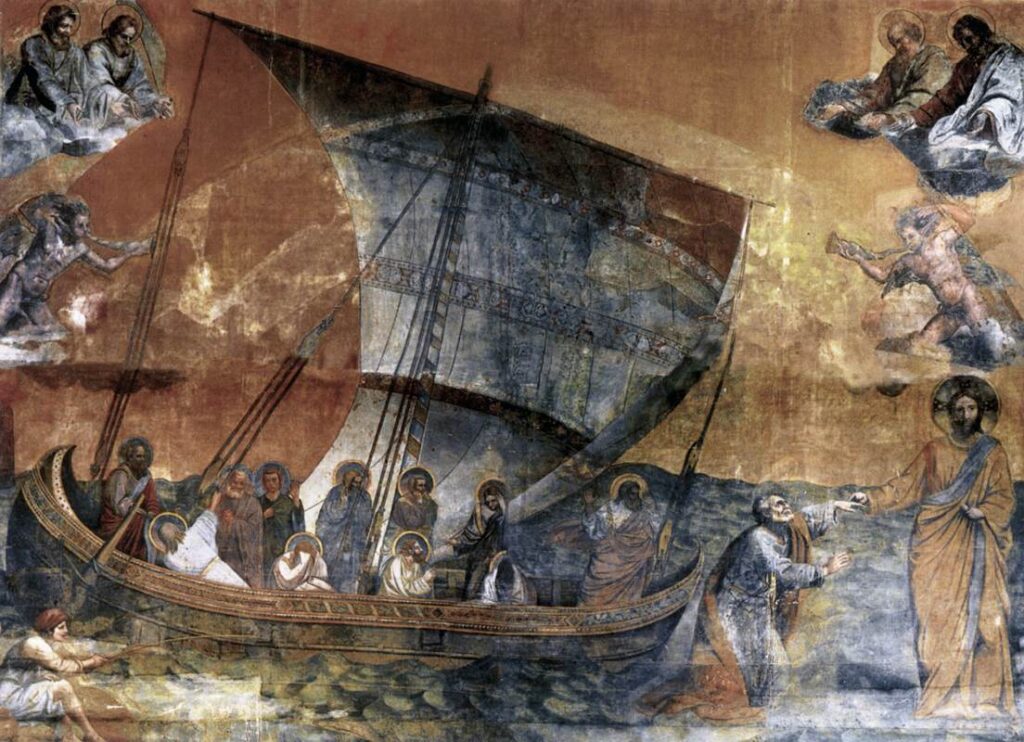
A long-standing image of the Church is a ship at sea, often referred to as the Barque of St. Peter. In a conversation with a close spiritual companion last year, she referenced the ship of the Church being broken and a need to bring light to the many members of the Church who feel “in the dark.” This image resonated with me for several reasons.
First, I want to be clear there are so many things to be grateful for regarding our local Church of the Archdiocese of Seattle. I give thanks for the strong faith of our parish communities, our many dedicated priests, deacons and consecrated men and women, and the hardworking Chancery and parish staffs along with the teams of administrators and teachers who serve our Catholic schools. Granted, this list could go on …
At the same time, I am mindful of the reality that people have suffered because of the Church. I spend no small amount of time visiting with those who need to share their history of tremendous adversity and who long for recognition and healing. Among them are victim survivors who feel betrayed.
This painful part of our history is still with us today and consumes no small amount of time and resources. Helping victim survivors heal from abuse that occurred decades ago, while continuing to make sure all our institutions are safe for everyone, remains a top priority and an important responsibility.
Sadly, victim survivors seldom come directly to the Church anymore to share their story and pain — and receive true pastoral care. Rather, today, almost all abuse claims come only through lawyers. Thus, we are forced to only work with lawyers and are unable to genuinely care for victim survivors.
This ship that is the Church, while always at sea and battered as it is, remains afloat, needs mending from the many storms, and will ultimately reach its destination of safe harbor.
But there is no such thing as a simple passenger aboard this ship: Everyone is a member of the crew. While few will work directly with victim survivors, all of us can pray for them and offer concrete acts of compassion. For example, we can remember victim survivors and their families at Mass, include them in our personal prayer, pray the rosary or spend time before the Blessed Sacrament for their healing, and ask the Lord to guide our efforts toward justice, protection and care.
Drawing from devotion to the Most Sacred Heart of Jesus, we can also offer the trials and hardships of daily life — illness, fatigue, disappointment, difficult conversations or the hidden sacrifices of service — for these intentions: in reparation for the sinful and criminal acts of those who committed abuse; for the healing and well-being of those who have been harmed; and for our present efforts to provide what victims truly need: to hear words of sorrow and contrition for what they endured.
The Barque of St. Peter is battered but not abandoned like an old Washington ferry sitting empty on a shore in Puget Sound. Christ remains with his Church, calling each of us to help repair what sin has wounded. We must face the truth with humility, seek justice with courage and offer compassion without reserve.
Working alongside Christ in this sacred work and accompanying those who have been harmed as best we can, we trust that the Lord will bring his battered Barque safely home.
0 Comments